Exploring strategies for growing your company in the U.S. faster can be a game-changer. From defining your growth strategy to leveraging technology, this guide offers actionable insights to propel your business forward.
As we delve deeper, we uncover key tactics and proven methods that successful companies have used to expand their presence and scale rapidly in the competitive U.S. market.
Define Your Growth Strategy

Having a well-defined growth strategy is crucial for the success of any company looking to scale in the U.S. market. It provides a clear roadmap for achieving goals, identifying opportunities, and mitigating risks along the way.
Examples of Successful Growth Strategies
- Market Penetration: Expanding market share by targeting existing customers with new products or services.
- Product Development: Introducing innovative offerings to meet evolving customer needs and stay ahead of competitors.
- Market Expansion: Entering new geographical regions or demographic segments to tap into additional revenue streams.
- Strategic Partnerships: Collaborating with other companies to leverage expertise, resources, and reach.
How a Growth Strategy Helps Scale Faster
A well-crafted growth strategy enables a company to focus its efforts and resources on the most promising opportunities for expansion. By aligning all aspects of the business towards a common goal, companies can accelerate growth, increase efficiency, and drive sustainable success in the competitive U.S.
market.
Identify Your Target Market
Identifying your target market is crucial for the growth of your company as it helps you focus your efforts and resources on the right audience. By understanding who your ideal customers are, you can tailor your products or services to meet their specific needs, leading to increased sales and brand loyalty.
Methods to Research and Analyze the Target Market in the U.S.
- Conduct Market Research: Use surveys, focus groups, and online tools to gather information about your target market's preferences, behaviors, and demographics.
- Analyze Competitors: Study your competitors to identify gaps in the market that you can fill and understand how they are targeting customers.
- Utilize Data Analytics: Use data analytics tools to track customer interactions, purchase history, and website behavior to identify trends and patterns.
- Engage with Customers: Interact with your customers through social media, email surveys, and feedback forms to gather insights and feedback.
Impact of Targeting Specific Demographics on Scaling a Company
- Increased Relevance: Targeting specific demographics allows you to tailor your marketing messages and products to resonate with your audience, increasing relevance and engagement.
- Cost-Effective Marketing: By focusing on specific demographics, you can allocate your marketing budget more efficiently, reaching those most likely to convert into customers.
- Enhanced Customer Relationships: Targeting specific demographics enables you to build stronger relationships with customers by understanding their needs and preferences, leading to increased loyalty and retention.
- Market Expansion Opportunities: Once you have successfully targeted one demographic, you can explore opportunities to expand your target market to other demographics, scaling your company further.
Build a Strong Online Presence
Building a strong online presence is crucial for the growth of your company in the U.S. In today's digital age, having a solid online presence can significantly impact your brand's visibility, credibility, and reach.
Optimizing Your Website
Optimizing your company website is key to improving visibility and attracting potential customers. Here are some tips to optimize your website:
- Ensure your website is mobile-friendly to cater to the increasing number of mobile users.
- Use relevant s throughout your website content to improve search engine rankings.
- Create high-quality, engaging content that provides value to your audience.
- Optimize your website's loading speed for better user experience.
Social Media Marketing
Social media plays a vital role in expanding your company's reach in the U.S. Here are some ways to leverage social media for business growth:
- Choose the right social media platforms where your target audience is active.
- Engage with your followers by responding to comments and messages promptly.
- Create and share engaging content to increase brand awareness and drive traffic to your website.
- Run targeted social media ads to reach a larger audience and generate leads.
Invest in Marketing and Advertising
Investing in marketing and advertising is crucial for the growth of your company in the U.S. market. Effective marketing strategies can help increase brand awareness, attract new customers, and drive sales. By allocating resources to marketing and advertising, you can reach a wider audience and stand out from competitors.
Examples of Effective Marketing Strategies for U.S. Audiences
- Content Marketing: Creating valuable and relevant content such as blogs, videos, and social media posts to engage with your target audience.
- Search Engine Optimization (): Optimizing your website and content to rank higher in search engine results and attract organic traffic.
- Social Media Advertising: Utilizing platforms like Facebook, Instagram, and LinkedIn to target specific demographics and promote your products or services.
- Email Marketing: Sending personalized and targeted emails to nurture leads, build relationships with customers, and drive conversions.
The Importance of Tracking and Analyzing Marketing ROI
Tracking and analyzing marketing ROI is essential to understand the effectiveness of your marketing efforts and make data-driven decisions. By measuring key performance indicators (KPIs) such as conversion rates, customer acquisition cost, and return on ad spend, you can optimize your marketing campaigns for better results.
This data-driven approach allows you to allocate resources more efficiently and maximize the impact of your marketing and advertising investments.
Focus on Customer Experience
When it comes to growing your company, prioritizing customer experience is essential. Happy and satisfied customers are more likely to become repeat buyers, recommend your products or services to others, and contribute to positive word-of-mouth marketing. In today's competitive business landscape, focusing on customer experience can set your company apart from the competition and drive long-term success.
Significance of Customer Experience
Enhancing customer experience can lead to increased customer satisfaction, loyalty, and lifetime value. By providing exceptional service and personalized interactions, you can build strong relationships with your customers, leading to higher retention rates and lower customer acquisition costs.
- Respond promptly to customer inquiries and feedback to show that you value their input and are committed to addressing their needs.
- Personalize the customer experience by offering tailored recommendations, exclusive deals, and personalized communication based on their preferences and past interactions with your brand.
- Collect and analyze customer feedback to identify areas for improvement and make data-driven decisions to enhance the overall customer experience.
Examples of Companies Excelling in Customer Experience
Companies like Amazon, Zappos, and Apple are known for their exceptional customer service and focus on delivering a seamless and personalized experience to their customers. By prioritizing customer satisfaction and going above and beyond to meet their needs, these companies have built a loyal customer base and achieved significant growth.
- Amazon's customer-centric approach, fast shipping, and hassle-free return policy have helped them become a leader in e-commerce and set the standard for customer service.
- Zappos' commitment to delivering WOW through service has earned them a reputation for exceptional customer experience, leading to high customer loyalty and repeat purchases.
- Apple's focus on creating user-friendly products, providing excellent technical support, and offering a seamless shopping experience in their stores has contributed to their strong brand loyalty and customer satisfaction.
Strategies to Enhance Customer Satisfaction and Loyalty
Implementing the following strategies can help you enhance customer satisfaction, build loyalty, and drive growth for your company:
- Train your employees to prioritize customer service and empower them to go above and beyond to meet customer needs.
- Personalize the customer experience through targeted marketing campaigns, personalized recommendations, and tailored communication.
- Create a seamless omnichannel experience by integrating online and offline channels to provide a consistent and cohesive customer journey.
Leverage Technology and Automation
In today's fast-paced business environment, leveraging technology and automation is crucial for scaling a company efficiently. By embracing the right tools and processes, businesses can streamline operations, increase productivity, and stay ahead of the competition.
Role of Technology and Automation in Scaling
Technology plays a vital role in scaling a company by enabling seamless communication, data management, and task automation. Automation, on the other hand, helps in reducing manual errors, accelerating processes, and freeing up valuable time for employees to focus on strategic tasks.
Examples of Tech Tools for Streamlining Operations
- Customer Relationship Management (CRM) software to manage customer interactions and data effectively.
- Project management tools like Trello or Asana for organizing tasks and improving collaboration.
- Accounting software such as QuickBooks or Xero for automating financial processes and tracking expenses.
Benefits of Adopting Automation
-
Improved Efficiency:
Automation reduces the time and effort required to complete repetitive tasks, leading to increased efficiency.
-
Enhanced Productivity:
By automating routine processes, employees can focus on more strategic activities, boosting overall productivity.
-
Cost Savings:
Automation can help in reducing operational costs associated with manual labor and errors.
Form Strategic Partnerships
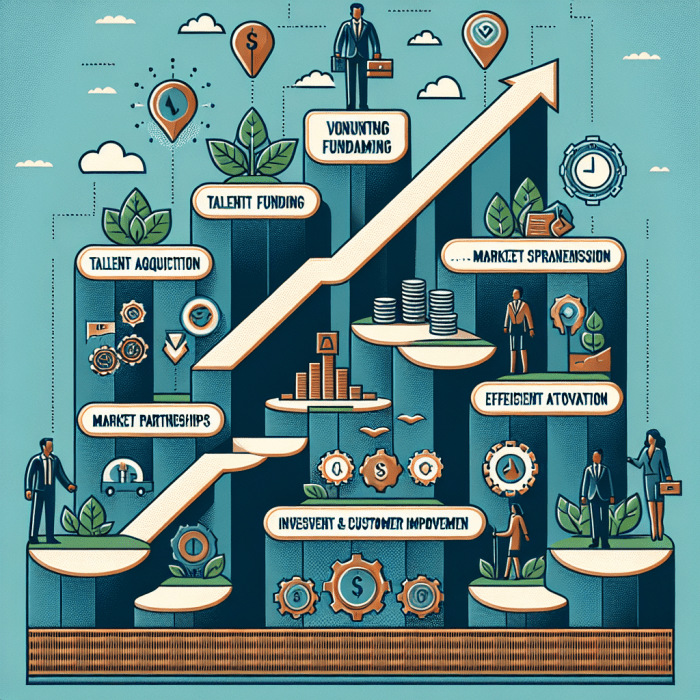
Forming strategic partnerships can be a game-changer for companies looking to scale and grow in the U.S. market. By collaborating with other businesses, you can leverage each other's strengths, resources, and networks to achieve mutual growth and success.
Benefits of Strategic Partnerships
- Access to new markets and customers that you may not have been able to reach on your own.
- Shared resources and expertise, leading to cost savings and improved efficiency.
- Opportunities for innovation and new product development through combined efforts and knowledge.
- Increased credibility and brand visibility by associating with reputable partners in the industry.
- Risk mitigation by spreading out responsibilities and challenges with your partners.
Identifying and Approaching Potential Partners
- Research and identify companies that share similar values, goals, and target markets as your own.
- Reach out to potential partners through networking events, industry conferences, or through mutual connections.
- Present a clear value proposition highlighting the benefits of collaboration and how it can be a win-win for both parties.
- Establish open communication and build trust with potential partners to ensure a strong and lasting partnership.
Expanding Market Reach through Strategic Partnerships
- Joint marketing initiatives to reach a wider audience and increase brand awareness.
- Utilizing each other's distribution channels to expand product reach and accessibility.
- Cross-promotions and co-branded campaigns to leverage each other's customer base and loyalty.
- Sharing industry insights and market knowledge to stay ahead of trends and changes in the market.
- Collaborating on events, webinars, or product launches to generate buzz and excitement in the market.
Focus on Employee Development
Investing in employee development is crucial for the growth and success of a company. By providing opportunities for employees to learn new skills, advance their careers, and stay motivated, businesses can create a positive work culture that fosters innovation and productivity.
The Importance of Employee Development
Employee development is not just about training and upskilling; it's about investing in your most valuable assetyour people. When employees feel supported and valued, they are more engaged, loyal, and committed to the company's goals. This, in turn, leads to higher retention rates, increased productivity, and overall business success.
- Offering continuous training and development programs can help employees stay current with industry trends and best practices.
- Providing opportunities for career advancement and growth can boost morale and motivation among employees.
- Encouraging a culture of learning and development can lead to a more innovative and competitive workforce.
Fostering a Positive Work Culture
Creating a positive work culture is essential for employee development and engagement. Companies can achieve this by promoting open communication, offering recognition and rewards, and providing a supportive and inclusive environment where employees feel empowered to voice their ideas and concerns.
- Encouraging collaboration and teamwork can foster creativity and problem-solving skills among employees.
- Implementing flexible work arrangements and wellness programs can help employees achieve work-life balance and reduce stress.
- Recognizing and rewarding employees for their hard work and achievements can boost morale and motivation.
Employee Training and Upskilling
Employee training and upskilling are essential components of employee development that contribute to company success. By investing in training programs, workshops, and certifications, businesses can equip their employees with the skills and knowledge needed to perform their roles effectively and adapt to changing market demands.
- Providing on-the-job training and mentorship programs can help employees learn new skills and improve performance.
- Offering opportunities for upskilling in emerging technologies and digital tools can enhance employees' capabilities and productivity.
- Investing in leadership development programs can groom future leaders within the organization and ensure continuity in leadership roles.
Monitor Key Performance Indicators (KPIs)
Monitoring Key Performance Indicators (KPIs) is crucial for tracking the growth and success of your company. KPIs provide valuable insights into the performance of various aspects of your business and help you make informed decisions to drive growth.
Essential KPIs for Companies
- Sales Growth Rate: This KPI measures the increase in sales over a specific period, indicating the effectiveness of your sales strategies.
- Customer Acquisition Cost (CAC): CAC helps you understand how much it costs to acquire a new customer, allowing you to optimize your marketing and sales efforts.
- Customer Lifetime Value (CLV): CLV measures the total revenue a customer is expected to generate during their relationship with your company, guiding your customer retention strategies.
- Website Traffic: Monitoring website traffic metrics such as unique visitors, page views, and bounce rate can help you assess the effectiveness of your online presence and marketing campaigns.
Analyzing KPI Data for Informed Decisions
Monitoring and analyzing KPI data can provide valuable insights into the performance of your business and help you make informed decisions. By tracking KPIs regularly, you can identify trends, strengths, and areas for improvement, enabling you to adjust your strategies to drive growth.
By analyzing KPI data, you can identify opportunities for growth, optimize your resources, and focus on strategies that deliver the best results for your company.
Adapt to Market Trends
In today's rapidly changing business landscape, it is crucial for companies to stay updated with market trends in order to drive growth and remain competitive. By identifying and adapting to changing market dynamics, companies can position themselves for success in the U.S.
market.
Importance of Staying Updated
Staying updated with market trends allows companies to anticipate shifts in consumer behavior, technology advancements, and industry regulations. This enables them to proactively adjust their strategies, products, and services to meet evolving customer needs and stay ahead of the competition.
- Regularly conduct market research to stay informed about industry trends and consumer preferences.
- Monitor competitors and analyze their strategies to identify emerging trends and potential opportunities.
- Attend industry conferences, seminars, and networking events to stay connected with the latest developments in the market.
Examples of Successful Adaptation
Companies like Netflix and Amazon have successfully leveraged market trends to drive growth and dominate their respective industries. Netflix transitioned from a DVD rental service to a streaming platform, capitalizing on the shift towards online entertainment consumption. Amazon continuously innovates its e-commerce platform and expands into new markets based on emerging trends and consumer demands.
Adapting to market trends is not just about reacting to change, but also about anticipating and shaping future trends to stay relevant and profitable.
Concluding Remarks
In conclusion, mastering these 10 proven ways can set your company on a path to accelerated growth and success in the dynamic landscape of the U.S. market. Embracing these strategies can be the key to unlocking your company's full potential and achieving sustainable growth.
Quick FAQs
What exactly is a growth strategy and why is it important for my company?
A growth strategy Artikels how a business plans to grow in terms of revenue, market share, and profitability. It's crucial as it provides a roadmap for achieving long-term success and sustainable growth.
How can I effectively analyze my target market in the U.S.?
Conduct market research, analyze consumer behavior, and utilize demographic data to identify your ideal customer base. This will help tailor your products/services to meet their specific needs.
Why is employee development important for company growth?
Investing in employee development boosts morale, enhances productivity, and fosters a culture of continuous improvement. It also helps attract and retain top talent, driving overall company success.