
Embark on the journey of starting an LLC step by step in the U.S. with this comprehensive guide. From research and planning to obtaining business licenses, this guide covers all the essential aspects in a detailed manner.
Research and Planning
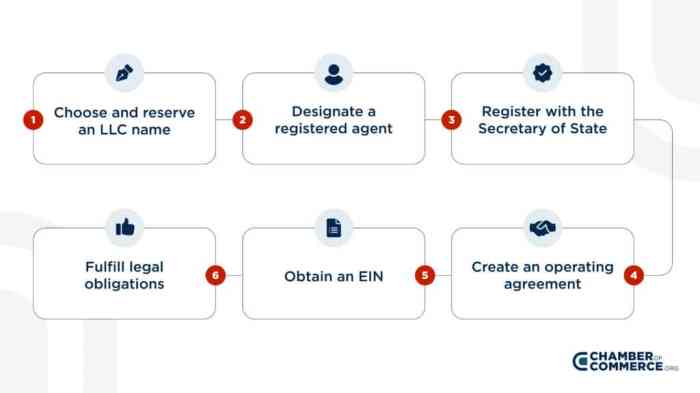
When starting an LLC in the U.S., conducting thorough research and careful planning are crucial steps to ensure the success and legality of your business venture.
Importance of Research
Researching before starting an LLC allows you to understand the market landscape, identify potential competitors, and assess the demand for your products or services. It also helps you determine the legal requirements and regulations specific to your industry and location.
- Gain insights into the needs of your target audience.
- Evaluate the feasibility of your business idea.
- Identify potential challenges and risks.
- Understand the financial implications of starting an LLC.
Key Factors to Consider During Planning
During the planning phase of starting an LLC, it is essential to address various aspects that will impact the success of your business.
- Business Structure: Decide on the structure of your LLC and understand the tax implications associated with each option.
- Business Plan: Develop a comprehensive business plan outlining your goals, target market, marketing strategies, and financial projections.
- Legal Requirements: Familiarize yourself with the legal requirements for forming an LLC in your state, including registration fees, annual reports, and compliance regulations.
- Financial Planning: Determine your startup costs, funding sources, and financial projections to ensure the financial sustainability of your LLC.
Choosing a Unique Name for Your LLC
Selecting a unique and memorable name for your LLC is vital as it will help distinguish your business from competitors and attract customers.
- Ensure the name is not already in use by another business in your state.
- Check for trademark availability to avoid legal issues in the future.
- Choose a name that reflects your brand identity and resonates with your target audience.
- Consider domain availability for your business website.
Choose a Registered Agent
When starting an LLC in the U.S., one important step is to choose a registered agent. A registered agent is a designated person or entity responsible for receiving legal documents, tax notices, and other official correspondence on behalf of the LLC.
It is a legal requirement to have a registered agent for an LLC in most states.
Options for Selecting a Registered Agent
- Option 1: Individual Registered Agent - You can choose yourself, a partner, or any other individual associated with the LLC to act as the registered agent. This person must have a physical address in the state where the LLC is registered and be available during business hours to receive important documents.
- Option 2: Commercial Registered Agent - Another option is to hire a professional registered agent service. These companies specialize in serving as registered agents for multiple businesses and ensure that all legal documents are received promptly and securely.
Role of a Registered Agent in LLC Formation
Having a registered agent is crucial for LLC formation as they play a vital role in ensuring that the LLC stays compliant with state regulations. The registered agent receives important legal and tax documents on behalf of the LLC, including service of process in the event of a lawsuit.
They act as the point of contact between the LLC and the state government, helping the business stay organized and informed about any legal obligations.
File Articles of Organization
When starting an LLC in the U.S., one crucial step is to file the Articles of Organization with the state where you plan to operate. This document officially establishes your LLC as a legal entity and Artikels important details about your business.
Completing the Necessary Paperwork
- Research the specific requirements in the state where you will form your LLC. Each state has its own rules and regulations regarding the Articles of Organization.
- Obtain the official form for filing the Articles of Organization from the Secretary of State's office or website in your state.
- Fill out the form with accurate information about your LLC, such as the business name, address, registered agent details, members or managers, and purpose of the business.
- Double-check all the information provided to ensure accuracy and completeness before submitting the form.
- Submit the completed Articles of Organization form to the Secretary of State along with the required filing fee. The fee amount varies by state.
- Wait for confirmation of the filing from the state. Once approved, your LLC will be officially registered.
Specific Requirements and Regulations
- Some states may require additional documents or information to be submitted along with the Articles of Organization, such as an Operating Agreement.
- Make sure to follow the formatting and content guidelines provided by the state to avoid any delays or rejections in the filing process.
- Certain states may also have specific naming requirements for LLCs, so ensure that your chosen business name complies with the state's regulations.
- Be aware of any publication or notice requirements that may apply after filing the Articles of Organization, as some states mandate publishing a notice in a local newspaper.
Create an Operating Agreement
Creating an operating agreement is a crucial step in establishing an LLC as it Artikels the structure and operating procedures of the business. This legal document helps clarify the rights and responsibilities of the members, as well as how the company will be managed and operated.
Key Components of an Operating Agreement
- Ownership and Member Information: Clearly Artikel the ownership percentages of each member and provide details about their roles and responsibilities within the company.
- Management Structure: Define how the LLC will be managed, whether it's member-managed or manager-managed, and specify the decision-making process.
- Profit and Loss Allocation: Describe how profits and losses will be distributed among the members, including the criteria for distributions.
- Voting Rights: Specify voting rights for major decisions and Artikel the voting process for various matters concerning the LLC.
- Meeting Procedures: Detail how meetings will be conducted, including the frequency of meetings, quorum requirements, and voting procedures.
- Transfer of Membership Interests: Address the process for transferring ownership interests and the conditions under which members can sell or transfer their stakes in the company.
Tips for Drafting an Effective Operating Agreement
- Consult with Legal Professionals: Consider seeking advice from an attorney or legal expert to ensure that your operating agreement complies with state laws and accurately reflects the needs of your LLC.
- Be Specific and Clear: Use clear and concise language to avoid ambiguity and ensure that all members have a clear understanding of their rights and obligations.
- Customize to Fit Your LLC: Tailor the operating agreement to suit the specific needs and goals of your LLC, taking into account the unique circumstances of your business.
- Review and Update Regularly: Regularly review and update the operating agreement as the business evolves to ensure that it remains relevant and effective.
Obtain an EIN and Business Licenses
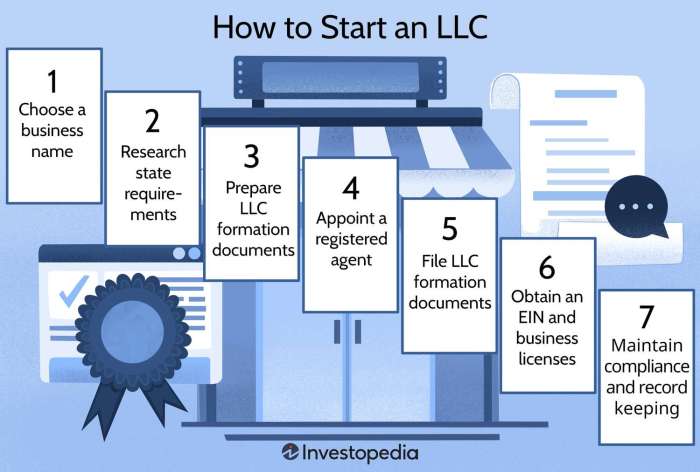
Before you can officially operate your LLC, you'll need to obtain an Employer Identification Number (EIN) from the IRS and ensure you have all the necessary business licenses. Let's dive into the details of this process.
Obtaining an EIN from the IRS
When setting up your LLC, you'll need to obtain an EIN, also known as a Federal Tax Identification Number, from the IRS. This unique nine-digit number is used to identify your business entity for tax purposes. Here's how you can get your EIN:
- Visit the IRS website and fill out the online application.
- Alternatively, you can apply for an EIN by fax or mail using Form SS-4.
- Once approved, you'll receive your EIN immediately, allowing you to open a business bank account, hire employees, and more.
Types of Business Licenses for an LLC
Depending on your industry and location, you may need to obtain various business licenses to legally operate your LLC. Here are some common types of business licenses that may be required:
- General Business License: Typically needed to operate any type of business in a specific location.
- Professional License: Required for specific professions such as doctors, lawyers, or accountants.
- Health Department Permit: Essential for businesses that handle food or beverages.
- Zoning Permit: Ensures your business complies with local zoning laws.
Complying with State and Local Regulations
It's crucial to comply with state and local regulations when obtaining business licenses for your LLC. Failing to do so can result in fines, penalties, or even the suspension of your business operations. Make sure to research the specific requirements in your area and ensure you have all the necessary permits to operate legally.
Open a Business Bank Account
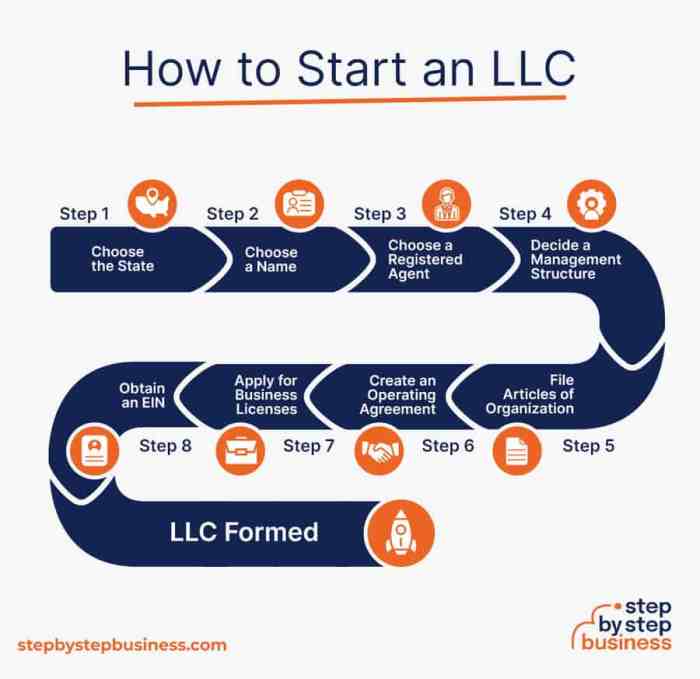
Now that you have set up your LLC, it's important to open a separate business bank account to keep your personal and business finances separate.
Benefits of Separating Personal and Business Finances
Having a dedicated business bank account offers several benefits:
- Legal protection: Keeping personal and business finances separate can help protect your personal assets in case of any legal issues or lawsuits against your business.
- Organized record-keeping: It makes it easier to track business expenses, income, and financial transactions, simplifying tax filing and financial reporting.
- Professionalism: A business bank account helps establish credibility with customers, suppliers, and partners, showcasing that you are a legitimate business entity.
How to Open a Business Bank Account for Your LLC
Here are the steps to open a business bank account for your LLC:
- Choose a bank: Research different banks to find one that offers the services and features that best suit your business needs.
- Gather necessary documents: Typically, you will need your LLC's Articles of Organization, EIN, operating agreement, and personal identification documents.
- Visit the bank: Schedule an appointment with the bank, bring all required documents, and meet with a business banker to open the account.
- Deposit funds: Make an initial deposit into the account to activate it.
Tips on Managing Finances Effectively
Once you have opened your business bank account, here are some tips to manage your finances effectively:
- Track all income and expenses: Use accounting software or tools to monitor cash flow and maintain accurate financial records.
- Set a budget: Plan your spending and allocate funds for various business expenses to avoid overspending.
- Reconcile regularly: Reconcile your bank statements with your accounting records to identify any discrepancies or errors.
- Monitor account activity: Keep an eye on your account regularly for any unauthorized transactions or unusual activity.
Outcome Summary
In conclusion, starting an LLC can be a rewarding venture with the right knowledge and guidance. This guide equips you with the necessary information to kickstart your LLC journey successfully.
User Queries
What is the significance of choosing a unique name for an LLC?
Choosing a unique name is crucial as it helps distinguish your LLC from others in the market and establishes brand identity.
What is an Operating Agreement and why is it important?
An Operating Agreement Artikels the ownership and operating procedures of the LLC, crucial for defining roles and responsibilities among members.
Why is it necessary to obtain an EIN for an LLC?
An EIN is essential for tax purposes, hiring employees, and opening a business bank account, among other legal requirements.