Starting off with Best Internet for Small Business in the U.S.: Compare Speed, Price & Providers, this introductory paragraph aims to provide a captivating overview of the topic, drawing readers in with each word.
The following paragraph will delve into detailed information about the topic.
Research on Internet Speeds
In today's digital age, having reliable internet speeds is crucial for the success of small businesses. Let's explore the different internet speed options available for small businesses, compare high-speed versus standard-speed connections, and identify typical speed requirements for various types of businesses.
Types of Internet Speeds
- Standard-Speed Internet: Standard-speed internet typically ranges from 1 to 25 Mbps. It is suitable for basic internet activities such as email, web browsing, and light video streaming.
- High-Speed Internet: High-speed internet, on the other hand, offers speeds exceeding 25 Mbps. This type of connection is ideal for businesses that rely heavily on video conferencing, large file uploads/downloads, and online transactions.
Advantages and Disadvantages
- Advantages of High-Speed Internet: - Faster upload and download speeds. - Seamless video conferencing and online collaboration. - Improved productivity and efficiency for businesses.
- Disadvantages of High-Speed Internet: - Higher cost compared to standard-speed options. - Availability may be limited in certain areas.
Internet Speed Requirements for Small Businesses
| Business Type | Recommended Internet Speed |
|---|---|
| Online Retail | 25-50 Mbps |
| Consultancy | 10-25 Mbps |
| Graphic Design | 50-100 Mbps |
| Software Development | 100+ Mbps |
Comparison of Internet Prices
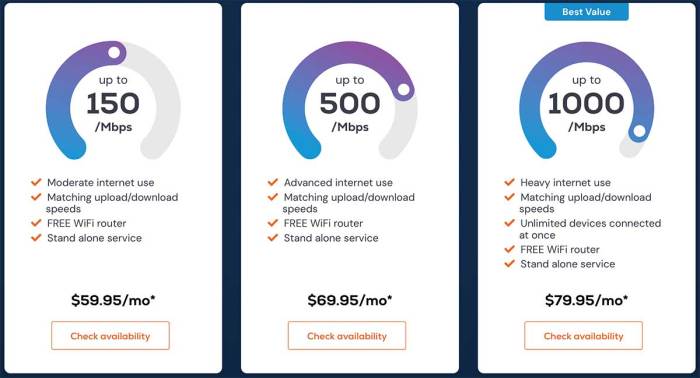
When it comes to selecting an internet plan for your small business, pricing is a crucial factor to consider. Let's take a closer look at how prices vary among different providers and the factors that influence these prices.
Internet Plan Prices Comparison
| Provider | Plan | Price |
|---|---|---|
| Provider A | Basic Plan | $50/month |
| Provider B | Standard Plan | $70/month |
| Provider C | Premium Plan | $100/month |
Factors Influencing Internet Service Pricing
- Bandwidth: Higher bandwidth often comes with a higher price tag as it allows for faster internet speeds and more data usage.
- Contract Length: Providers may offer discounts for longer contract commitments, but be aware of early termination fees.
- Additional Services: Some providers may include extra features like security packages or cloud storage, impacting the overall price.
Hidden Costs and Fees
- Installation Fees: Some providers charge a one-time installation fee that can add to the initial cost.
- Equipment Rental: Renting modems or routers from the provider may incur monthly fees that are not always clearly advertised.
- Overage Charges: Exceeding data limits or usage caps can result in additional charges, so it's essential to understand these limits upfront.
Examination of Internet Providers
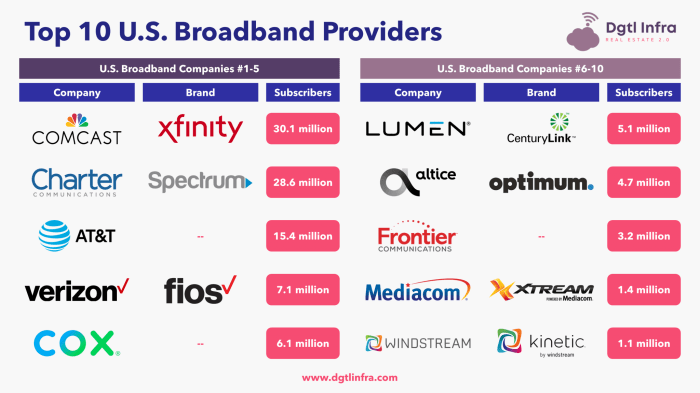
In the competitive landscape of internet service providers for small businesses in the U.S., it is crucial to examine the major players in the market to make an informed decision based on reputation, customer service quality, and unique offerings.
Major Internet Service Providers
- AT&T: AT&T is a well-known provider offering a range of internet solutions for small businesses. They are praised for their reliable service and fast speeds.
- Comcast Business: Comcast Business is another major player known for its nationwide coverage and dedicated customer support for small businesses.
- Verizon Business: Verizon Business offers a variety of internet plans tailored to meet the needs of small businesses, with a focus on reliability and security.
- Cox Business: Cox Business provides internet services with a reputation for excellent customer service and customizable solutions for small businesses.
Reputation and Customer Service Quality
- AT&T: Known for its reliable service and fast speeds, AT&T has a solid reputation in the industry. Their customer service is often praised for being responsive and helpful.
- Comcast Business: Comcast Business has a reputation for nationwide coverage and dedicated customer support, ensuring that small businesses receive the assistance they need promptly.
- Verizon Business: With a focus on reliability and security, Verizon Business is known for its high-quality service and responsive customer support team.
- Cox Business: Cox Business is recognized for its excellent customer service and customizable solutions, making it a popular choice for small businesses looking for tailored internet options.
Unique Features and Benefits
- AT&T: AT&T offers a variety of internet plans with added benefits such as free Wi-Fi hotspots and cybersecurity features to ensure the safety of small business data.
- Comcast Business: Comcast Business provides advanced security solutions and cloud-based services to help small businesses streamline their operations and protect their digital assets.
- Verizon Business: Verizon Business offers dedicated internet access and scalable bandwidth options, allowing small businesses to adjust their internet speeds based on their evolving needs.
- Cox Business: Cox Business provides customizable internet solutions with options for managed services and cloud connectivity to enhance small business productivity and efficiency.
Consideration of Reliability and Support
In the context of small businesses, reliable internet service and quality customer support are crucial factors that can significantly impact daily operations and overall success. Let's explore why these aspects are essential when choosing an internet provider for a small business.
Importance of Reliable Internet Service
Reliable internet service is vital for small businesses as it ensures consistent connectivity, smooth operations, and uninterrupted communication with customers, suppliers, and employees. A stable internet connection is necessary for processing online transactions, managing inventory, accessing cloud-based services, and conducting video conferences.
Impact of Unreliable Internet on Small Business Operations
- Delayed communication: Unreliable internet can lead to dropped calls, frozen video meetings, and delayed email responses, affecting customer satisfaction and employee productivity.
- Data loss: Intermittent internet connectivity may result in data loss, causing delays in processing orders, updating information, and accessing critical business files.
- Downtime: Frequent outages or slow connection speeds can lead to operational downtime, preventing small businesses from serving customers, completing tasks, and meeting deadlines.
Significance of Customer Support Availability
Having access to reliable customer support is essential for small businesses when selecting an internet provider. Quick resolution of technical issues, timely assistance with service disruptions, and efficient troubleshooting can minimize downtime and ensure that business operations run smoothly.
Last Point
Concluding with a summary and final thoughts, this paragraph wraps up the discussion in an engaging manner.
Popular Questions
What are the typical internet speed requirements for online retail businesses?
Online retail businesses usually require high-speed internet to handle a large volume of online transactions and customer interactions efficiently.
Are there any hidden costs that small business owners should watch out for when selecting an internet plan?
Some internet providers may have additional fees for equipment rental, installation, or early termination. It's important to carefully review the terms of the contract.
How does unreliable internet service impact small business operations?
Unreliable internet can lead to disruptions in online sales, communication breakdowns with customers, and hindered productivity in day-to-day business activities.