Embark on the journey of starting a profitable POS business in the U.S. with this comprehensive guide. Learn about the essentials, strategies, and considerations needed to succeed in the dynamic POS industry.
Delve into the intricacies of market research, business planning, legal requirements, and more, to pave the way for a successful venture in the ever-evolving world of Point of Sale systems.
Introduction to POS Business
A POS (Point of Sale) business refers to a company that provides POS systems to other businesses, allowing them to process transactions, track sales, manage inventory, and more.
POS systems play a crucial role in modern businesses by streamlining operations, improving efficiency, and enhancing customer experience. They have become an essential tool for retailers, restaurants, and other businesses to manage their day-to-day operations effectively.
Key Components of a POS System
A POS system typically consists of several key components that work together to facilitate transactions and manage business operations:
- Hardware: This includes devices such as cash registers, barcode scanners, receipt printers, and card readers that are used to process transactions.
- Software: POS software is the backbone of the system, providing features like inventory management, sales reporting, customer data tracking, and more.
- Payment Processing: POS systems are equipped to accept various forms of payment, including credit cards, debit cards, mobile payments, and cash.
- Customer Display: Many POS systems have a customer-facing display that shows the items being rung up, prices, and other information to enhance the customer experience.
- Integration: POS systems often integrate with other business tools such as accounting software, CRM systems, and e-commerce platforms to streamline operations.
Market Research and Analysis
Before starting a POS business in the U.S., it's essential to conduct thorough market research and analysis to understand the current landscape and opportunities in the industry.
Current Market Trends for POS Systems in the U.S.
POS systems have become increasingly popular in the U.S. due to their efficiency and convenience. The market is seeing a shift towards cloud-based solutions, mobile POS systems, and integrated payment processing. Businesses are also looking for customizable and scalable POS solutions to meet their specific needs.
Target Audience for Your POS Business
- Small and medium-sized businesses (SMBs) in various industries such as retail, restaurants, hospitality, and healthcare.
- Entrepreneurs looking to start their own businesses and in need of a reliable POS system.
- Existing businesses seeking to upgrade their current POS technology for better efficiency and customer service.
Competition in the POS Industry
There is stiff competition in the POS industry with both established players and new entrants vying for market share. It's crucial to analyze your competitors, their strengths and weaknesses, pricing strategies, customer reviews, and market positioning to identify gaps in the market that your POS business can capitalize on.
Creating a Business Plan
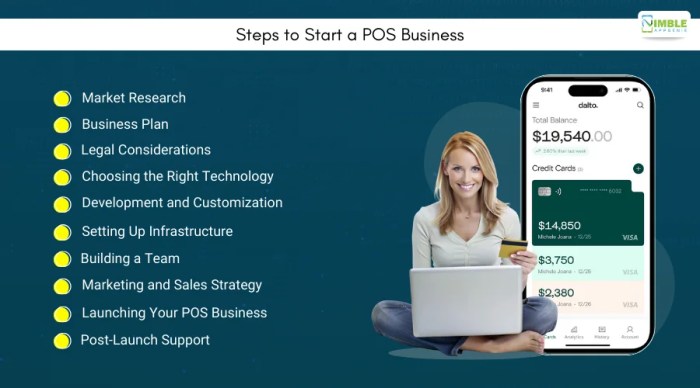
Creating a solid business plan is crucial for the success of your POS business. It serves as a roadmap, outlining your goals, strategies, and financial projections. Here are the essential elements to include in your business plan:
Essential Elements of a Business Plan for a POS Business
- Executive Summary: Provide an overview of your business, including your mission statement, products/services offered, target market, and financial projections.
- Company Description: Describe your POS business, its history, location, legal structure, and unique selling proposition.
- Market Analysis: Conduct a thorough analysis of the POS industry, including market trends, competition, target market demographics, and growth potential.
- Organization and Management: Artikel the organizational structure of your business, including key team members and their roles.
- Products and Services: Detail the POS solutions you offer, including features, pricing, and any unique selling points.
- Marketing and Sales Strategy: Define your marketing and sales tactics, target customer acquisition channels, and pricing strategies.
- Financial Projections: Include income statements, cash flow projections, balance sheets, and break-even analysis to demonstrate the financial viability of your POS business.
- Funding Requirements: Specify the amount of funding needed to start and operate your POS business, as well as how you plan to secure funding.
SWOT Analysis for a POS Business
- Strengths:
- Advanced technology integration for efficient operations.
- Strong demand for POS solutions in various industries.
- Opportunities for recurring revenue through service contracts.
- Weaknesses:
- High initial investment in hardware and software.
- Intensive competition from established POS providers.
- Dependence on internet connectivity for cloud-based systems.
- Opportunities:
- Expansion into new markets or industries.
- Customization of POS solutions to meet specific client needs.
- Integration with e-commerce platforms for seamless transactions.
- Threats:
- Rapid technological advancements leading to obsolescence.
- Data security breaches compromising customer information.
- Economic downturn affecting business spending on POS systems.
Marketing Strategy for a POS Business
- Identify Your Target Market: Define the industries or businesses that would benefit most from your POS solutions.
- Build a Strong Online Presence: Develop a professional website, optimize for search engines, and use social media to reach potential customers.
- Offer Free Trials or Demos: Allow businesses to test your POS system before committing to a purchase, showcasing its value and ease of use.
- Partner with Industry Influencers: Collaborate with key players in your target industries to promote your POS solutions and gain credibility.
- Provide Exceptional Customer Support: Offer 24/7 technical assistance and training to ensure businesses can maximize the benefits of your POS system.
Choosing the Right POS System
When starting a POS business, one of the crucial decisions you'll need to make is selecting the right POS system. The POS system you choose will play a significant role in the efficiency and success of your business operations.
Compare Different POS Systems Available in the Market
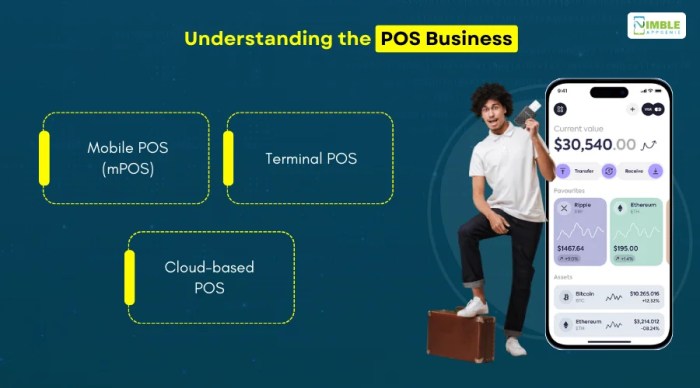
- Cloud-based POS systems: These systems are hosted on the cloud, allowing you to access data from anywhere with an internet connection.
- Traditional on-premise POS systems: These systems are installed locally on your hardware and usually require a one-time purchase.
- Mobile POS systems: These systems run on mobile devices like tablets or smartphones, offering flexibility and mobility.
Discuss the Factors to Consider When Selecting a POS System for Your Business
- Business size and type: Consider the specific needs and requirements of your business to choose a system that aligns with your operations.
- Features and functionalities: Look for essential features like inventory management, reporting capabilities, and integration options.
- User-friendliness: Choose a system that is easy to use and can be quickly adopted by your staff.
- Customer support: Ensure the POS provider offers reliable customer support to assist you in case of any issues.
Evaluate the Costs Associated with Implementing a POS System
- Upfront costs: Consider the initial investment required to purchase hardware and software licenses.
- Monthly fees: Some POS systems charge monthly subscription fees for software updates and support services.
- Additional costs: Factor in any additional costs for training, installation, and customization of the POS system.
Legal and Regulatory Considerations
Starting a POS business in the U.S. requires compliance with various legal requirements and regulations to ensure the smooth operation of your business. Here are some key considerations to keep in mind:
Legal Requirements for Starting a POS Business
- Register your business: You will need to register your POS business with the appropriate state and local authorities. This may involve obtaining a business license or permit.
- Choose a business structure: Decide on the legal structure of your business, such as a sole proprietorship, partnership, or corporation. Each structure has different implications for taxation and liability.
- Obtain an Employer Identification Number (EIN): If you plan to hire employees for your POS business, you will need to obtain an EIN from the IRS.
Compliance with Data Protection Laws
- Protecting customer data: As a POS business, you will be handling sensitive customer information such as payment details. It is essential to comply with data protection laws such as the PCI DSS (Payment Card Industry Data Security Standard).
- Implement security measures: Ensure that your POS system is secure and encrypted to protect customer data from potential cyber threats.
Licensing and Permits
- Sales tax permit: Depending on your location, you may need to obtain a sales tax permit to collect sales tax from customers on behalf of the state.
- Health department permits: If your POS business involves selling food or beverages, you may need to obtain permits from the health department to ensure compliance with food safety regulations.
- Zoning permits: Verify if your location complies with zoning regulations and obtain any necessary permits to operate your POS business legally.
Setting Up Operations
Setting up operations for a POS business involves several key steps to ensure a smooth and efficient operation. From establishing the physical location to training your staff, each aspect plays a crucial role in the success of your business.
Steps Involved in Setting Up a POS Business
- Secure a suitable location for your POS business, considering factors such as foot traffic, accessibility, and target market.
- Purchase and set up the necessary POS hardware and software, ensuring compatibility and reliability.
- Establish working relationships with POS system providers and payment processors to enable seamless transactions.
- Develop operational policies and procedures for handling transactions, returns, and customer inquiries.
Staffing Requirements for a POS Business
- Hire experienced cashiers and sales associates who are familiar with POS systems and customer service best practices.
- Employ a technical support team to troubleshoot any hardware or software issues that may arise during operation.
- Assign a manager to oversee daily operations, monitor inventory levels, and ensure compliance with company policies.
Training Needed for Employees to Operate the POS System Efficiently
- Provide comprehensive training on how to operate the POS system, process transactions, and handle various payment methods.
- Offer regular refresher courses to keep employees up-to-date on new features or updates to the POS software.
- Emphasize the importance of data security and customer privacy when using the POS system to prevent potential breaches or fraud.
Marketing and Sales Strategies
When it comes to marketing and sales strategies for your POS business, it is crucial to establish a solid plan to attract potential clients and generate revenue. Here, we will discuss developing a pricing strategy, best practices for marketing, and exploring different sales channels to reach your target market.
Developing a Pricing Strategy
One of the key aspects of running a successful POS business is setting the right pricing strategy for your services. Consider factors such as the features and capabilities of your POS system, the level of customer support provided, and the overall value proposition for your clients.
It is important to strike a balance between offering competitive prices and ensuring profitability for your business.
Best Practices for Marketing a POS Business
- Identify your target market: Understand the specific industries or businesses that could benefit most from your POS services.
- Create a strong online presence: Develop a professional website, engage in social media marketing, and utilize digital advertising to reach a wider audience.
- Offer incentives: Consider running promotions, discounts, or referral programs to incentivize new clients to choose your POS services.
- Build partnerships: Collaborate with industry influencers, associations, or other businesses to expand your reach and credibility in the market.
Exploring Different Sales Channels
When it comes to reaching potential clients, it is essential to explore various sales channels to maximize your business opportunities. Consider the following channels:
- Direct Sales: Establish a dedicated sales team to reach out to potential clients through cold calling, email campaigns, and in-person meetings.
- Reseller Partnerships: Collaborate with resellers or distributors to expand your market reach and leverage their existing networks.
- Online Marketplaces: List your POS services on popular online marketplaces or platforms to attract clients searching for solutions in your industry.
- Trade Shows and Events: Participate in industry-specific trade shows and events to showcase your POS system and network with potential clients.
Providing Customer Support
Customer support is a crucial aspect of any POS business as it directly impacts customer satisfaction and retention. By designing a comprehensive customer support strategy, addressing queries and issues effectively, and implementing feedback mechanisms, you can ensure a positive customer experience.
Designing a Customer Support Strategy
Before launching your POS business, it is essential to create a customer support strategy that Artikels how you will address customer queries and issues. This strategy should include the channels through which customers can reach out for support, such as phone, email, or live chat, as well as the response times for each channel.
- Train your customer support team to be knowledgeable about your POS system and capable of resolving customer issues efficiently.
- Utilize a ticketing system to track and prioritize customer queries, ensuring that no issue goes unresolved.
- Offer multiple support options, such as self-service resources like FAQs and video tutorials, to empower customers to find solutions independently.
Handling Customer Queries and Issues Effectively
When a customer reaches out with a query or issue, it is important to respond promptly and effectively to resolve their concerns.
- Listen actively to the customer's problem and ask clarifying questions to fully understand the issue.
- Provide clear and concise instructions on how to troubleshoot the problem, offering step-by-step guidance if needed.
- If the issue cannot be resolved immediately, ensure the customer receives regular updates on the status of their query and when they can expect a resolution.
Implementing Feedback Mechanisms
Feedback mechanisms are crucial for improving customer satisfaction and identifying areas for enhancement in your POS business.
Encourage customers to provide feedback through surveys, reviews, or ratings to gather insights into their experience with your POS system.
- Analyze feedback data regularly to identify trends and patterns in customer queries or issues, allowing you to proactively address common concerns.
- Use feedback to make continuous improvements to your POS system and customer support processes, demonstrating your commitment to enhancing the customer experience.
Financial Planning and Management
Starting a POS business requires careful financial planning and effective management to ensure long-term success and profitability. By creating a solid financial forecast, tracking key financial metrics, and managing cash flow efficiently, you can ensure the financial health of your business.
Financial Forecast for Your POS Business
Creating a financial forecast for your POS business involves estimating the revenue and expenses over a specific period, typically one to three years. This forecast should include sales projections, operating costs, capital expenditures, and other financial elements that impact the profitability of your business.
By analyzing market trends, competitor data, and historical performance, you can make informed predictions about the financial future of your POS business.
- Estimate monthly sales volume based on market research and industry benchmarks.
- Project operating expenses, including rent, utilities, payroll, and marketing costs.
- Calculate capital expenditures for POS hardware, software, and other equipment.
- Consider seasonality and economic fluctuations that may impact your revenue and expenses.
Key Financial Metrics to Track
Tracking key financial metrics is essential for monitoring the performance and health of your POS business. These metrics provide valuable insights into the financial stability, profitability, and growth potential of your business. By regularly reviewing and analyzing these metrics, you can make informed decisions to optimize your business operations and maximize profitability.
Some key financial metrics to track include gross profit margin, net profit margin, return on investment (ROI), average revenue per customer, and customer acquisition cost.
Managing Cash Flow Effectively
Cash flow management is crucial for the success of any business, including a POS venture. Efficient cash flow management involves monitoring the inflow and outflow of cash, maintaining a healthy cash reserve, and optimizing the timing of payments and receivables.
By implementing effective cash flow strategies, you can ensure that your POS business has enough liquidity to meet its financial obligations and support growth initiatives.
- Develop a cash flow forecast to anticipate periods of cash surplus or shortage.
- Negotiate favorable payment terms with suppliers and vendors to improve cash flow.
- Implement inventory management practices to reduce carrying costs and improve cash flow efficiency.
- Consider alternative financing options, such as lines of credit or business loans, to support cash flow needs during slow periods.
Ending Remarks
As you wrap up this guide, you now have the tools and knowledge to kickstart your POS business with confidence. Remember, success in the POS industry lies in strategic planning, customer-centric approaches, and adaptability to market trends.
Clarifying Questions
What are the key components of a POS system?
The key components include a hardware terminal, software application, payment processing functionality, and reporting capabilities.
How can I choose the right POS system for my business?
Consider factors like your business size, industry-specific needs, budget, integrations with other software, and customer support offered by the POS system providers.
What financial metrics should I track for my POS business?
Key financial metrics include gross margin, net profit margin, return on investment (ROI), and average transaction value.
How can I effectively market my POS business?
Utilize online and offline channels, create compelling content, offer promotions, engage with social media, and build relationships with potential clients.